



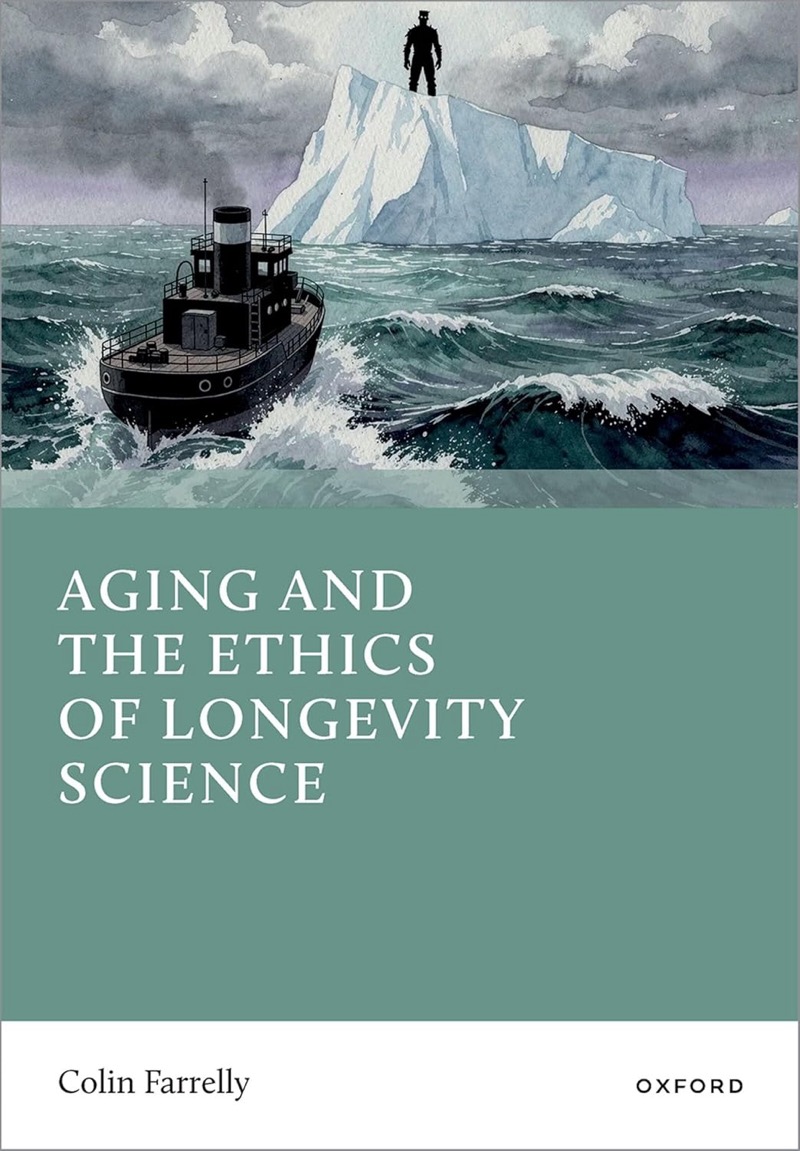
Aging and the Ethics of Longevity Science
di Farrelly • 2026 • dettagli prodotto
in preparazione
da
a
€ 77,56

Pubblicazione prevista per Ottobre 2026
DESCRIZIONE
A century of experimental science has revealed that the rate of biological aging is malleable, influenced by genetic, environmental, lifestyle, and pharmacological factors.
Translational gerontology is now rapidly progressing from the bench to the clinic, ushering in a new ideal for longevity science--what the gerontologist Alex Comfort (1969) first coined "rate control." Unlike the medical paradigm of "disease control," which has increased survival time by suppressing causes of premature death, rate control aspires to increase healthspan and compress morbidity in late life by slowing the rate of aging through non-pharmacological (e.g. healthy environments, lifestyle) and potential pharmacological (e.g. geroprotective drugs) interventions.
Aging and the Ethics of Longevity Science examines the ethical and societal implications of population aging and longevity science. Should aging be construed as a disease? Will the development of aging drugs exacerbate or help redress health disparities? Should the development of such drugs be construed as something harmful or beneficial to planetary health? And how might rate control impact the health and wellbeing of women, who survive longer than men but with poorer health?
Dispensing with frames that perpetuate what he calls the "Frankensteinification" of translational gerontology, philosopher Colin Farrelly encourages instead an understanding of the societal significance of longevity science that is predicated upon "wisdom-inquiry" science (Maxwell 2007) and "responsible biology" (Kitcher 2004). A growing global healthspan-lifespan gap, the persistence of health disparities that arise from variations in unequal environmental exposures, the prevalence of ageism, and the politicalization of science present significant obstacles to the realization of healthy longevity. Farrelly advances a pragmatic ethical analysis that takes these predicaments seriously, encouraging the pursuit of wisdom-inquiry longevity science that is tempered to accommodate concern for living a good life and having a good death.
Colin Farrelly is a philosopher and political theorist in the Department of Political Studies (cross-appointed with Philosophy) at Queen's University in Canada. He has held academic appointments in Canada, the United States, England, Scotland, and Türkiye. His books include Biologically Modified Justice (2016), Genetic Ethics: An Introduction (2018), and Classics in Political Thought for Today (2024). Colin's research interests span bioethics and political philosophy, and his journal publications include articles in Aging Cell, BMJ, BioScience, Biology Letters, Public Health Ethics, Bioethics, Age and Ageing, Journal of the American Geriatrics Society, and Royal Society Open Science.


DETTAGLI PRODOTTO torna su
ISBN: 9780197830031
Titolo: Aging and the Ethics of Longevity Science
Autori: Farrelly
Editore: Oxford University Press
Volume: Unico
Edizione: 2026
Lingua: Inglese
Finitura: Copertina rigida
Pagine: 352
RECENSIONI
NESSUNA RECENSIONE PER QUESTO PRODOTTO